
EV home charging
Charge your car at home, safely and simply.
Home EV charging planned around your electrical supply, parking, driving needs and any solar or battery system.
Ask about home EV charging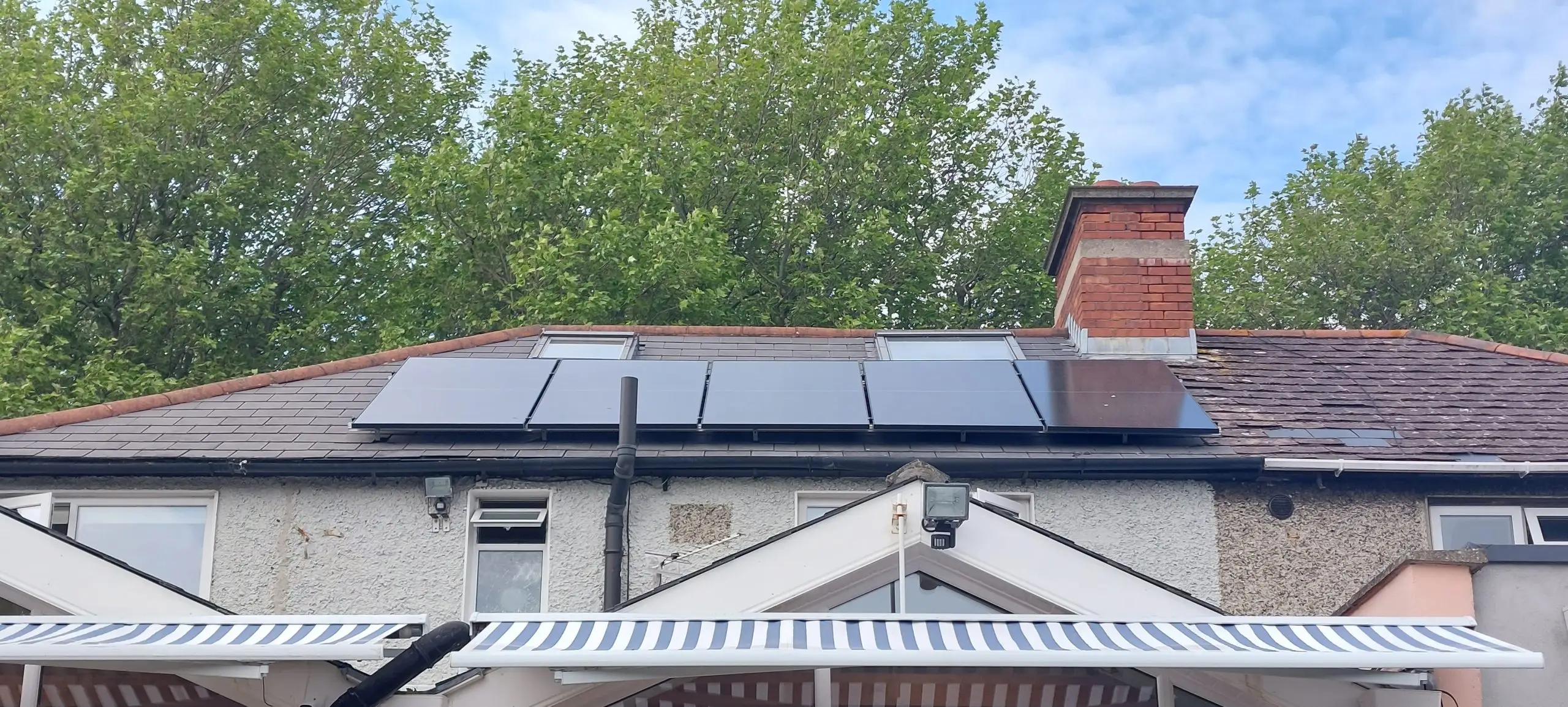
Start with your building
Plan the charger around your home and driving needs.
WRB checks the available electrical supply, earthing, parking position and cable route before recommending EV charging equipment.
We check the fuse box, earthing, other large electrical loads and the route from your supply to the parking space before recommending a charger.
If you have solar panels or a battery, we can also look at compatible controls and when the car is normally at home.
What a good plan should help you do
- Choose a charger that fits your car, routine and electrical supply
- Agree a safe cable route and a convenient position
- Plan how charging could work with solar panels or a home battery
What we need to know
You do not need every detail before getting in touch. Share what you know and we’ll tell you what matters next.
Choose charging around real use
The vehicle, daily mileage and how long it stays parked matter more than the biggest charger number. At workplaces and shared sites, managing the available power may be more useful than fitting the fastest unit at every bay.
Survey the supply and cable route
We check the incoming supply, fuse box or main board, earthing, other large electrical loads, cable distance and parking layout before recommending equipment.
Make charging easy to live with
The charger should be easy to reach without creating trip hazards or trailing cables across public space. Wi-Fi or mobile signal, app controls and the connector type can also affect the best position and product.
Leave room for solar, batteries and more vehicles
Compatible controls can help charging work alongside solar panels or a battery. We can also allow for future vehicles or plan a workplace installation in stages.
Common questions
What size EV charger do I need?
It depends on the vehicle, daily mileage, how long it is parked and what the electrical supply can support. The fastest charger on paper is not always the most useful choice.
Can an EV charger use solar electricity?
Many chargers can work with compatible solar and battery controls. How much solar goes into the car still depends on when it is plugged in and how much spare solar electricity is available.
Will my electrical supply need to be upgraded?
Not always. We check the supply and other large loads first. Load management may allow charging to fit the existing supply, while some properties need further work or network approval.
Can I charge at home without a driveway?
It can be more complicated because a cable must not create a hazard across a public footway. Permission from the relevant local authority and a safe cable route need to be checked before installation in Ireland.
One plan, one team